

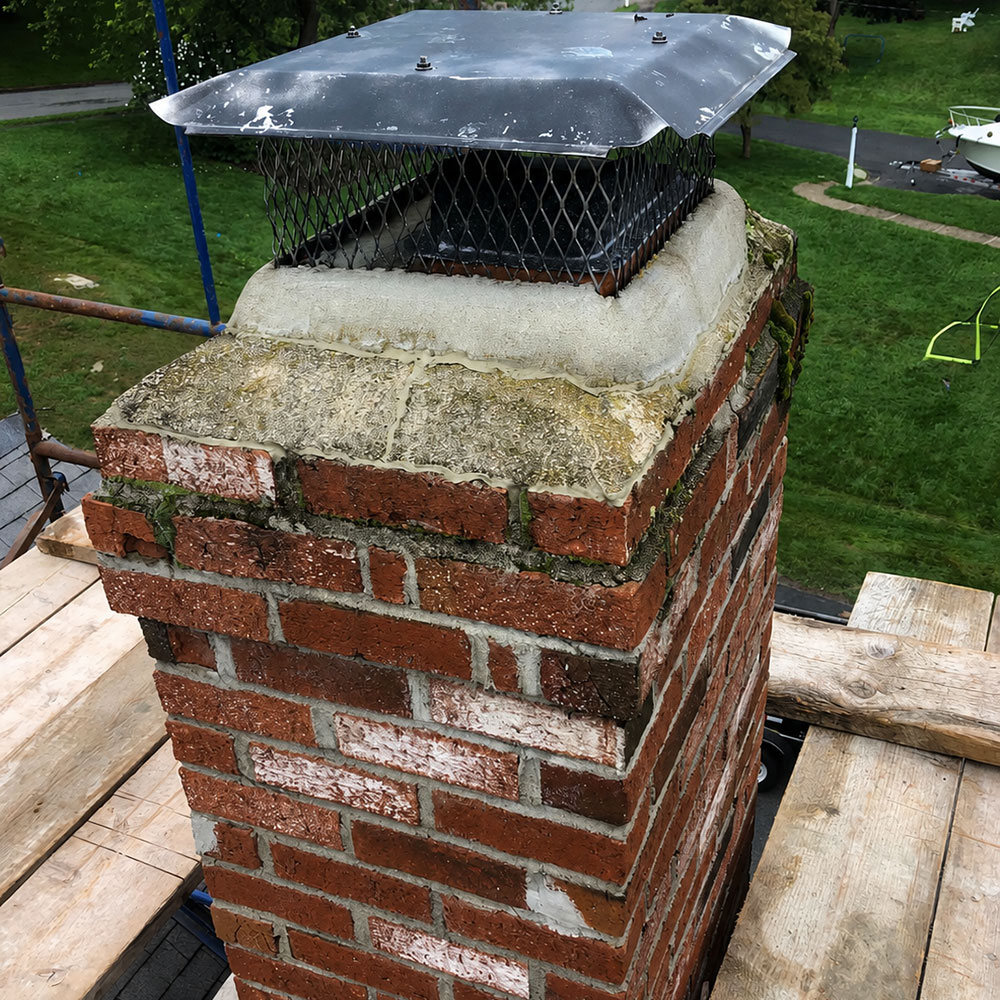
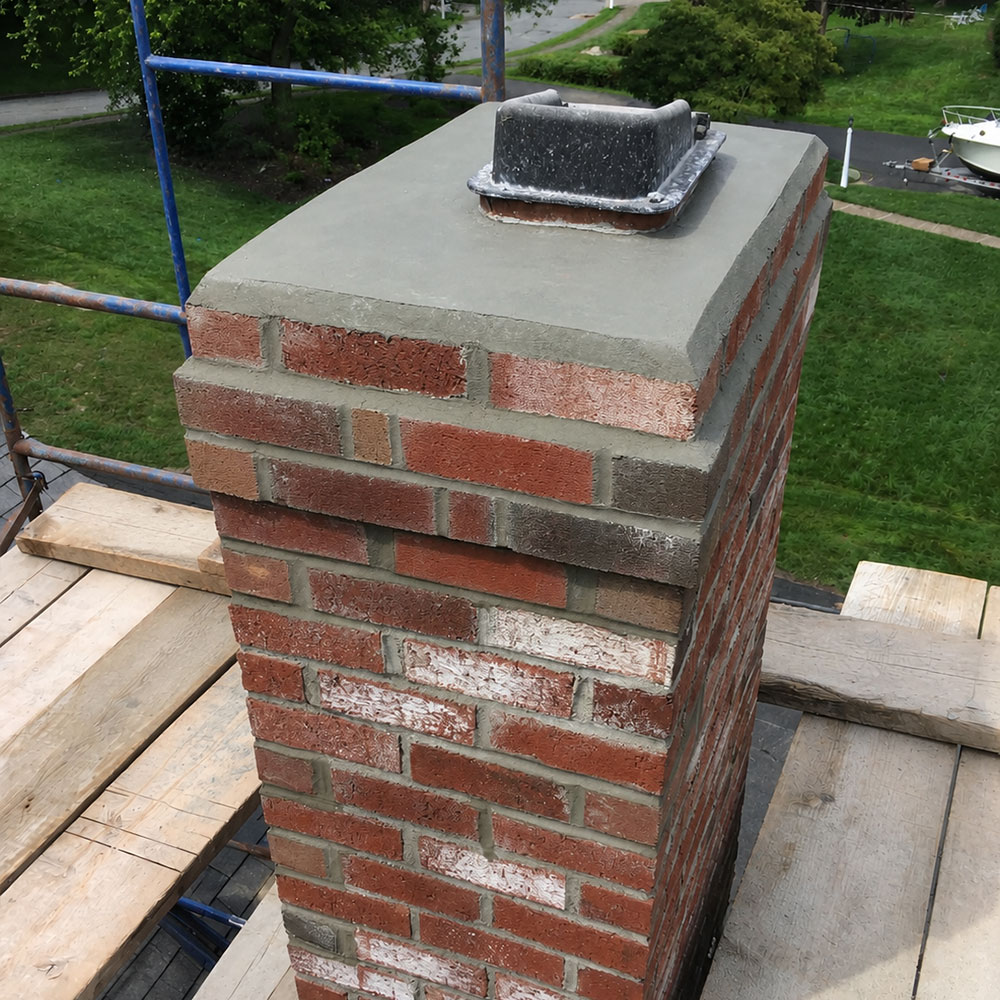
MASONRY REPAIR & RESTORATION
Not every masonry project starts from scratch. Sometimes the most important work is preserving what is already there.
Cornerstone repairs and restores brick, block, stone, concrete, and mortar for residential and commercial properties throughout southeastern Massachusetts. From a single deteriorated section to phased work across multiple buildings, every project starts with the same priorities: diagnose the problem correctly, repair it thoroughly, and protect the surrounding property.
The Right Repair Begins with the Right Diagnosis
Visible damage does not always reveal the full problem. Cracked mortar, loose masonry, surface deterioration, and failed caulking may be symptoms of water intrusion, freeze-thaw exposure, movement, impact, age, or an earlier repair that did not address the underlying cause.
Cornerstone begins by evaluating the damaged area and the surrounding masonry. Chris considers what failed, why it failed, and how much of the original material can be preserved before recommending a repair.
That careful assessment helps avoid temporary patches and unnecessary replacement.
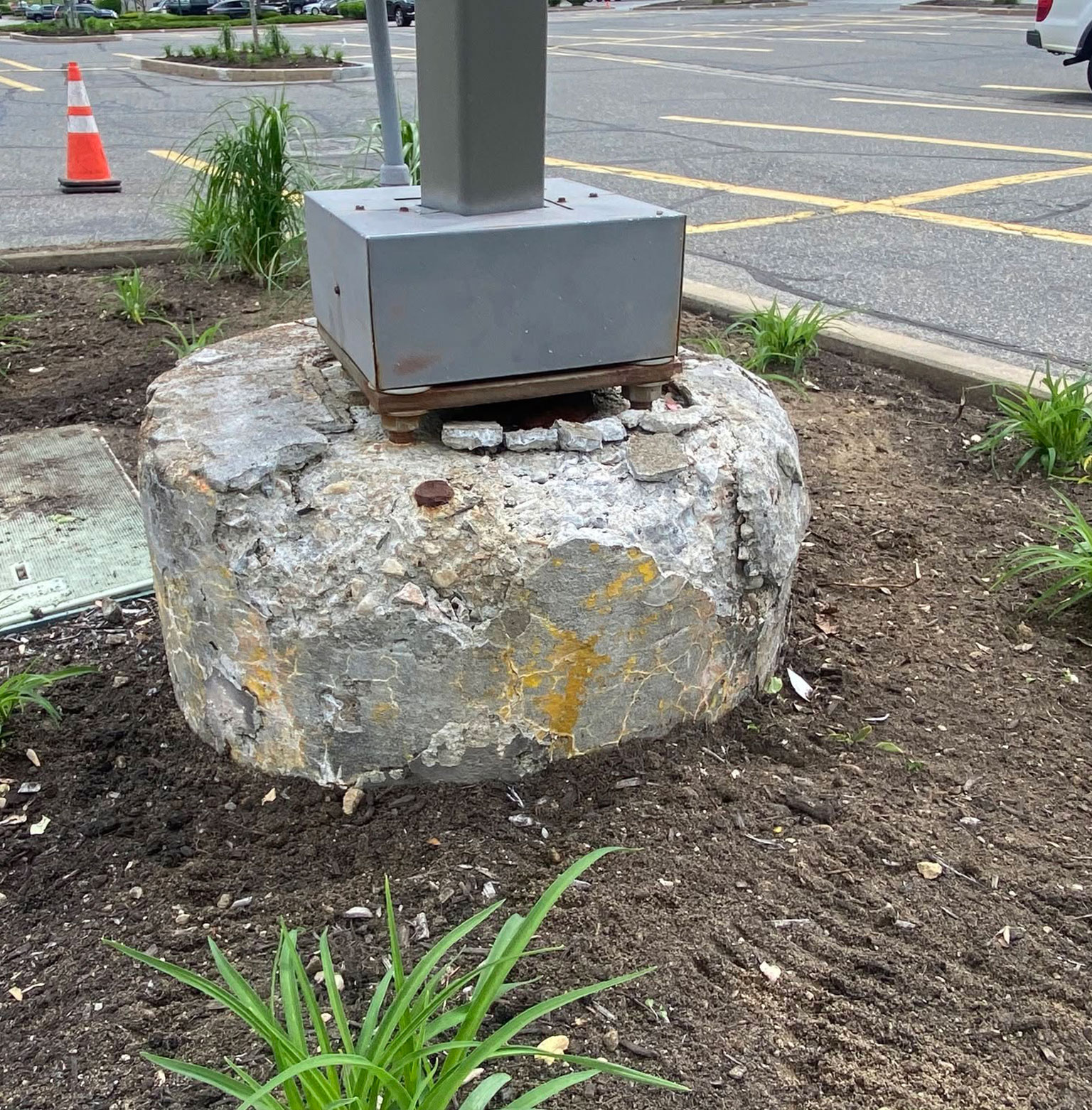
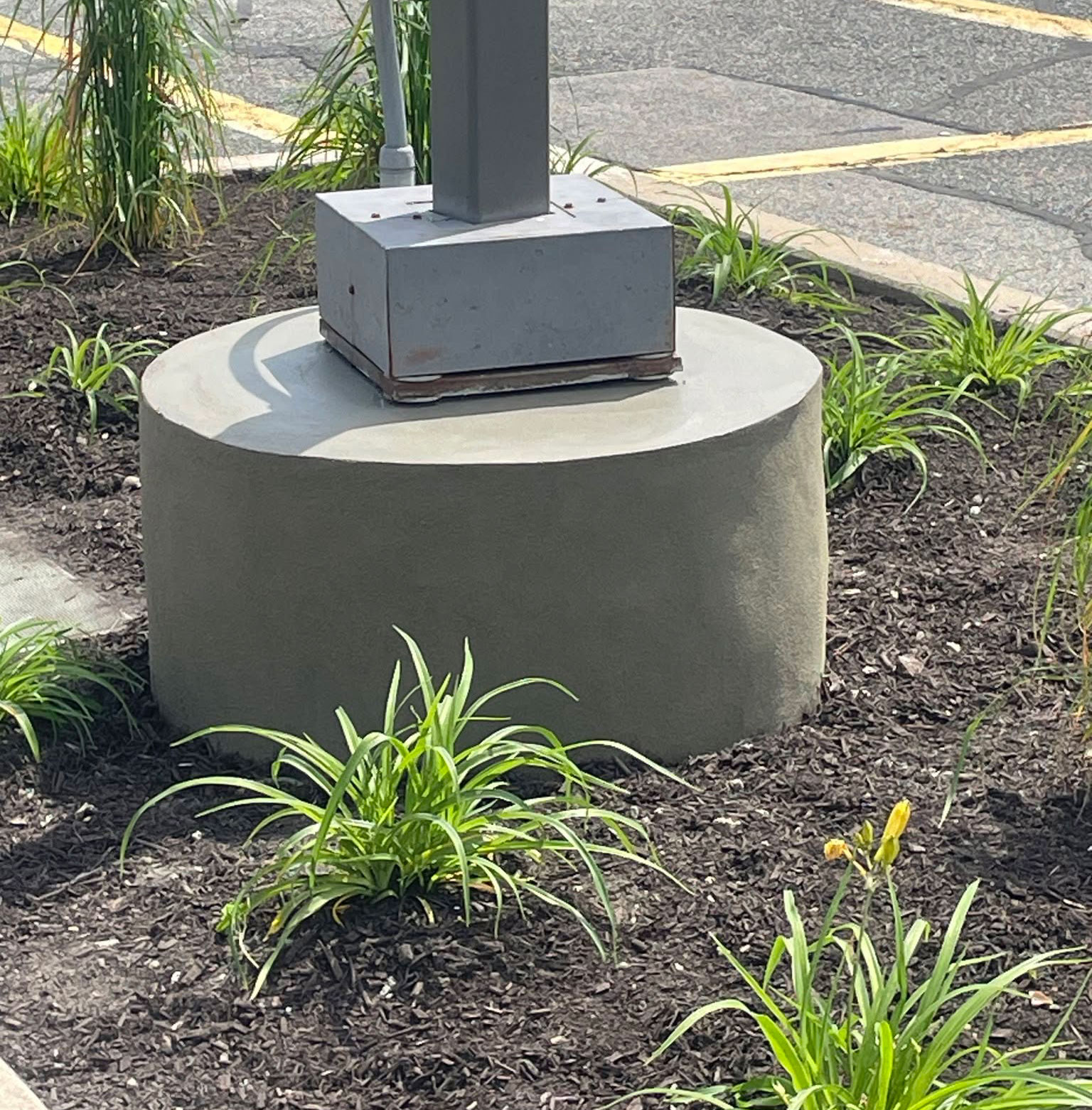
REPAIR, RESTORE & PRESERVE EXISTING MASONRY
Cornerstone handles localized repairs, larger restoration projects, and ongoing commercial masonry needs.
Each scope is developed around the material, condition, location, and intended use of the masonry.
- Brick repair and replacement
- Concrete masonry unit and block repair
- Natural stone repair and resetting
- Mortar repointing
- Concrete repair and resurfacing
- Failed joint sealant and caulking replacement
- Masonry waterproofing and water-repellent treatments
- Selective demolition and rebuilding
- Repair of previous or failing masonry patches
- Residential masonry restoration
- Commercial property and portfolio maintenance
- Phased repairs across multiple buildings or locations
Different Materials Require Different Solutions
Brick, block, stone, mortar, and concrete do not deteriorate in exactly the same way. Proper repair requires materials and techniques suited to the existing masonry and the type of deterioration.
Brick, Block & Stone
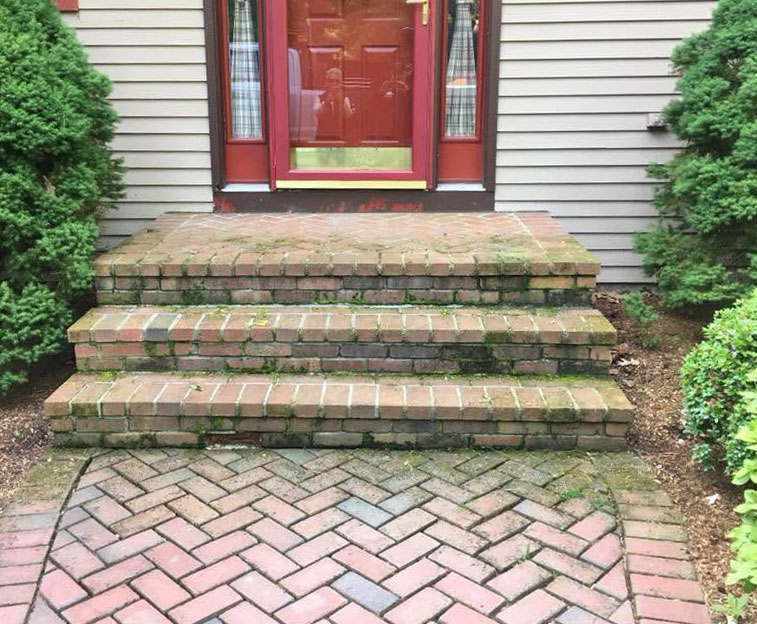
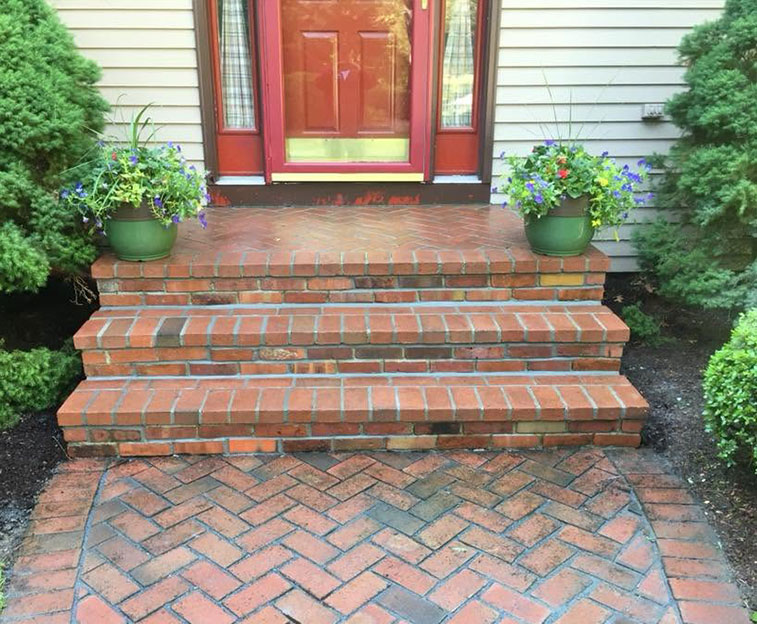
Cracked, loose, spalling, or displaced masonry can often be selectively removed and replaced while preserving sound surrounding material. Cornerstone takes care to maintain the existing pattern, proportions, and overall appearance wherever practical.
Mortar Joints
Deteriorated mortar is removed back to sound material before new, compatible mortar is installed. Proper joint depth, preparation, tooling, and curing all contribute to how well the repair performs over time.
Concrete
Depending on the extent and cause of the damage, deteriorated concrete may be repaired, patched, rebuilt, or resurfaced. Cornerstone evaluates the existing concrete and underlying conditions before determining whether a localized repair is appropriate.
Caulking & Water Management
Failed sealant at masonry joints and transitions can create openings for water. Caulking and water-repellent treatments may help protect repaired masonry when used in the correct locations, but they are not substitutes for replacing failed mortar or damaged masonry.
When to Have Your Masonry Evaluated
Masonry damage often becomes more extensive when moisture is allowed to enter and freeze. Early evaluation can help identify the cause and determine whether a targeted repair may limit further deterioration.
Common warning signs include:
- Cracked, recessed, crumbling, or missing mortar
- Loose, cracked, or displaced brick, block, or stone
- Flaking or spalling masonry surfaces
- Open joints or deteriorated caulking
- Cracks or delamination in concrete
- White staining, dark moisture marks, or recurring dampness
- Bulging, leaning, or separation between materials
- Pieces of masonry collecting near the structure
- Previous patches that continue to crack or separate
- Repeated water intrusion around masonry areas
Understanding the cause early can help preserve sound original material and avoid replacing more masonry than necessary.
Repair, Selectively Rebuild, or Replace?
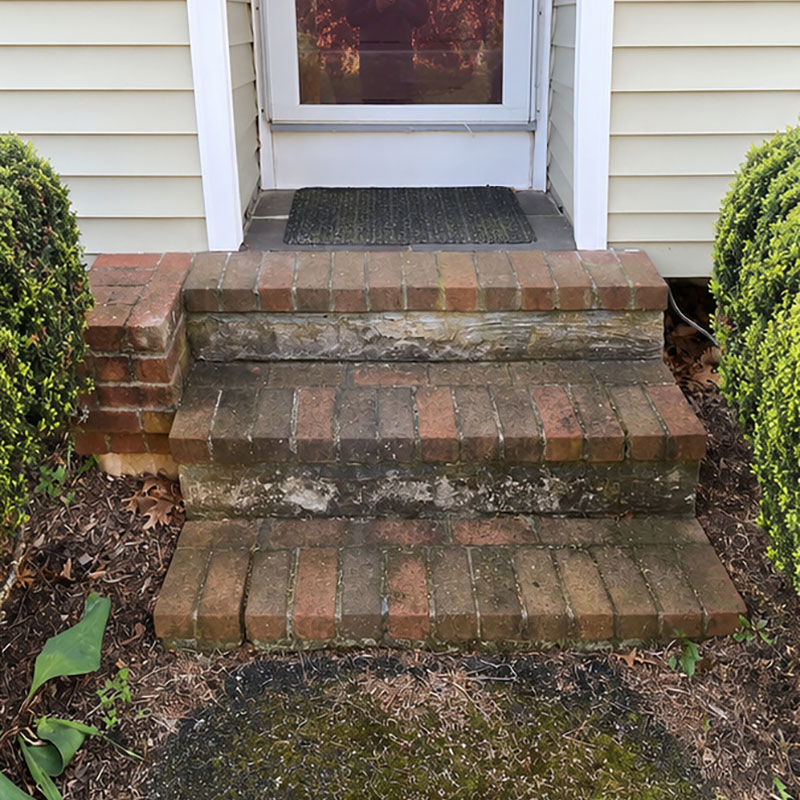
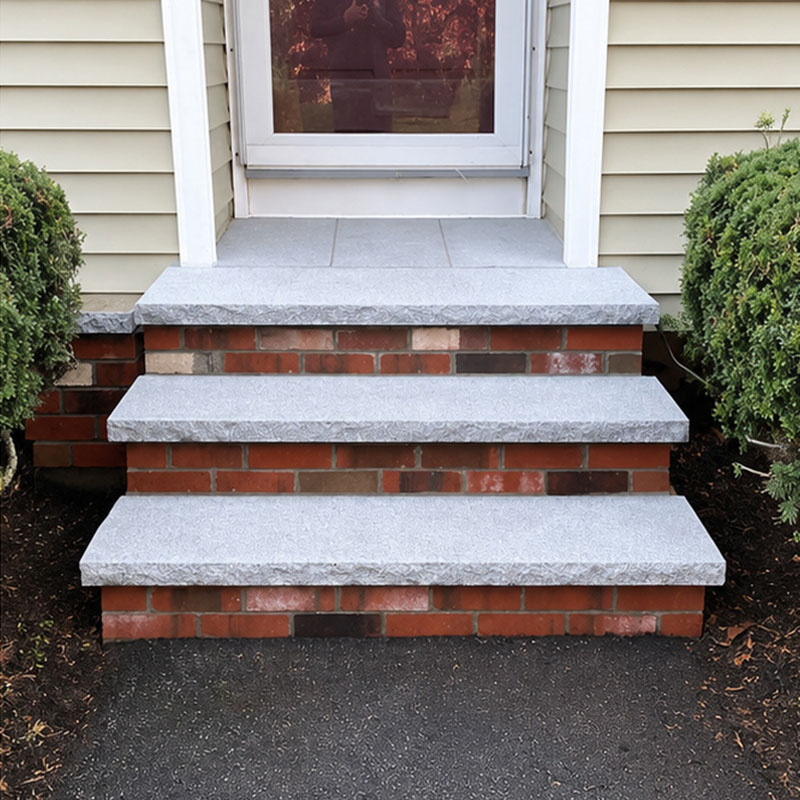
Not every damaged wall, landing, facade, or masonry feature needs to be replaced. When the underlying construction remains sound, repointing and selective material replacement may be enough to restore its condition.
If deterioration is widespread, movement has affected the assembly, or previous surface repairs have repeatedly failed, rebuilding part or all of the affected area may provide a better long-term result.
Cornerstone explains what can be preserved, what should be replaced, and why. The recommended scope is based on the condition of the masonry, not a predetermined repair approach.
REPAIR SERVICES PLANNED AROUND THE PROPERTY
Residential Masonry Repair
Cornerstone helps homeowners repair deteriorated walls, steps, walkways, stonework, concrete, and other masonry features. The work is planned with care for the home, landscaping, access, and surrounding finished surfaces.
Commercial Masonry Restoration
Commercial repairs require practical scheduling, clear communication, and careful coordination around occupied or active properties. Cornerstone works with commercial property owners and managers to evaluate damage, prioritize repairs, and complete the work while limiting disruption to the property and its day-to-day use.
Portfolio Maintenance
When an owner or manager is responsible for multiple buildings, Cornerstone can help identify immediate concerns, organize repairs by priority, and complete work in manageable phases across the portfolio.

REPAIRS PLANNED FOR NEW ENGLAND CONDITIONS
Masonry throughout southeastern Massachusetts must withstand moisture, temperature changes, and repeated freeze-thaw cycles. A repair can fail prematurely if incompatible materials are used or deteriorated material is left beneath the finished surface.
Cornerstone brings more than forty years of masonry experience to material selection, preparation, joint finishing, and the other details that determine how a repair will perform over time.
The objective is not simply to make the damage less visible. It is to leave the masonry in better condition than it was found.
A Clear Process from Evaluation to Final Repair
Site Review & Diagnosis
Chris reviews the affected area, surrounding masonry, visible deterioration, previous repairs, and conditions that may be contributing to the problem.
Repair Recommendation
Cornerstone explains whether the masonry requires repointing, selective replacement, concrete repair, joint sealing, partial rebuilding, or a combination of services.
Scope & Estimate
Preparation & Restoration
Deteriorated material is removed back to sound material as needed before compatible repair materials are installed, with care for the surrounding property.
Final Review & Cleanup
The completed repair is reviewed, any remaining details are addressed, and the work area is cleaned before the project is complete.
Common Questions About Masonry Restoration
How do I know whether masonry can be repaired or needs to be replaced?
The answer depends on the extent of the deterioration and the condition of the underlying construction. Sound masonry can often be preserved through repointing or selective replacement. Widespread movement, instability, or recurring failure may require partial or complete rebuilding.
What is mortar repointing?
Mortar repointing involves removing deteriorated mortar from the joints between brick, block, or stone and replacing it with new mortar that is compatible with the existing masonry. When the surrounding masonry remains sound, repointing can restore the joints without replacing larger sections of the structure.
Can you match existing brick, stone, and mortar?
Cornerstone makes every effort to select repair materials that work with the existing masonry. Exact matches are not always possible, particularly with older or discontinued materials, but Chris considers color, size, texture, joint appearance, and the surrounding work when selecting replacements.
Why do masonry repairs sometimes fail again?
A repair may fail if the underlying cause of the deterioration was not addressed, damaged material was left in place, incompatible repair materials were used, or water continued to enter the masonry. Cornerstone evaluates both the visible damage and the surrounding conditions before recommending a repair.
Can damaged concrete be repaired or resurfaced?
Sometimes. The appropriate approach depends on the extent and cause of the deterioration and the condition of the existing concrete. Chris can evaluate whether a localized repair, resurfacing, rebuilding, or another approach makes sense.
Is waterproofing enough to stop masonry deterioration?
Not if the masonry is already damaged. Water-repellent treatments and sealants may be useful in some situations, but they are not substitutes for failed mortar, deteriorated masonry, open joints, or other necessary repairs.
Do you handle maintenance across multiple commercial properties?
Yes. Cornerstone works with commercial property owners and managers to identify repair needs, prioritize work, and complete masonry maintenance in manageable phases across multiple buildings or locations.
Where does Cornerstone provide masonry repair services?
Cornerstone serves residential and commercial clients throughout Southeastern Massachusetts. Contact the team to confirm availability for your property.